01
3D rendering
Premium still renders for products, spaces, campaigns, concepts, websites, presentations, and launch material.

 Services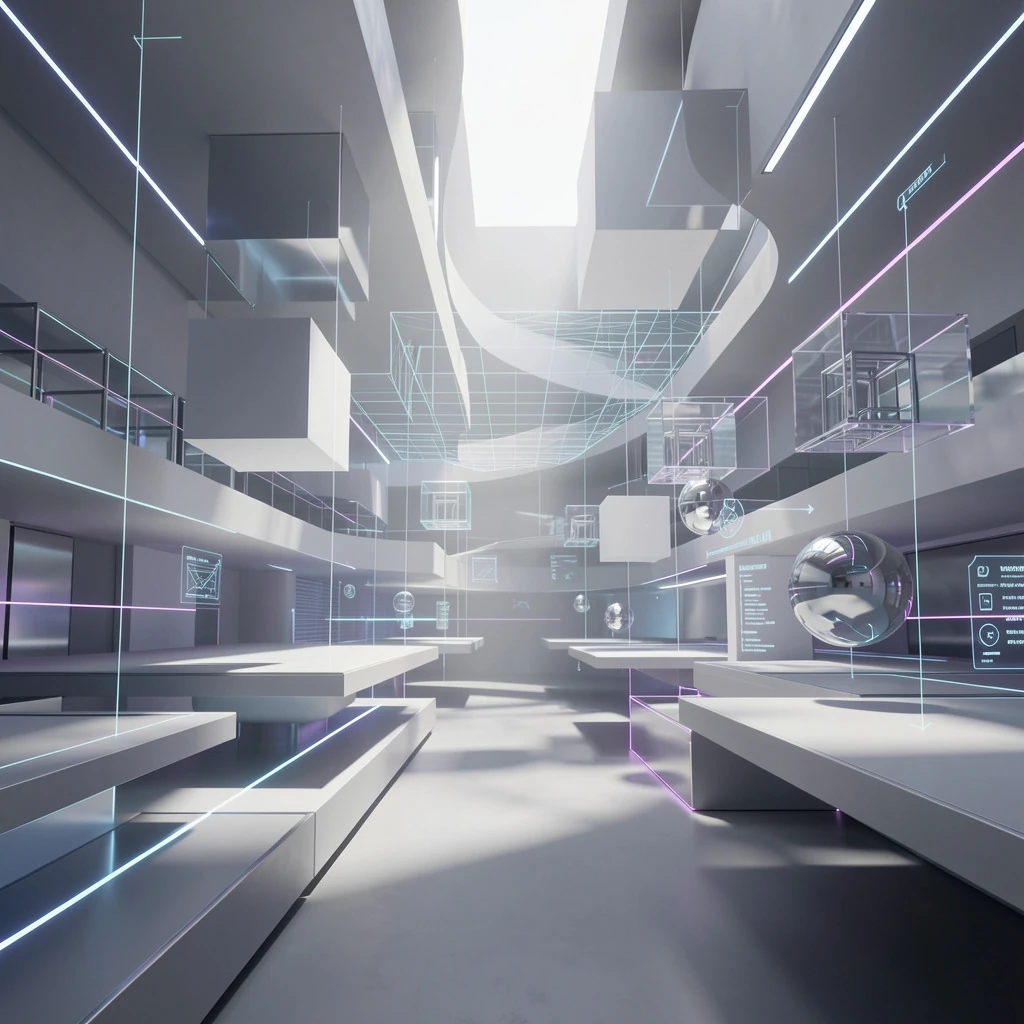
07 / Visual depth
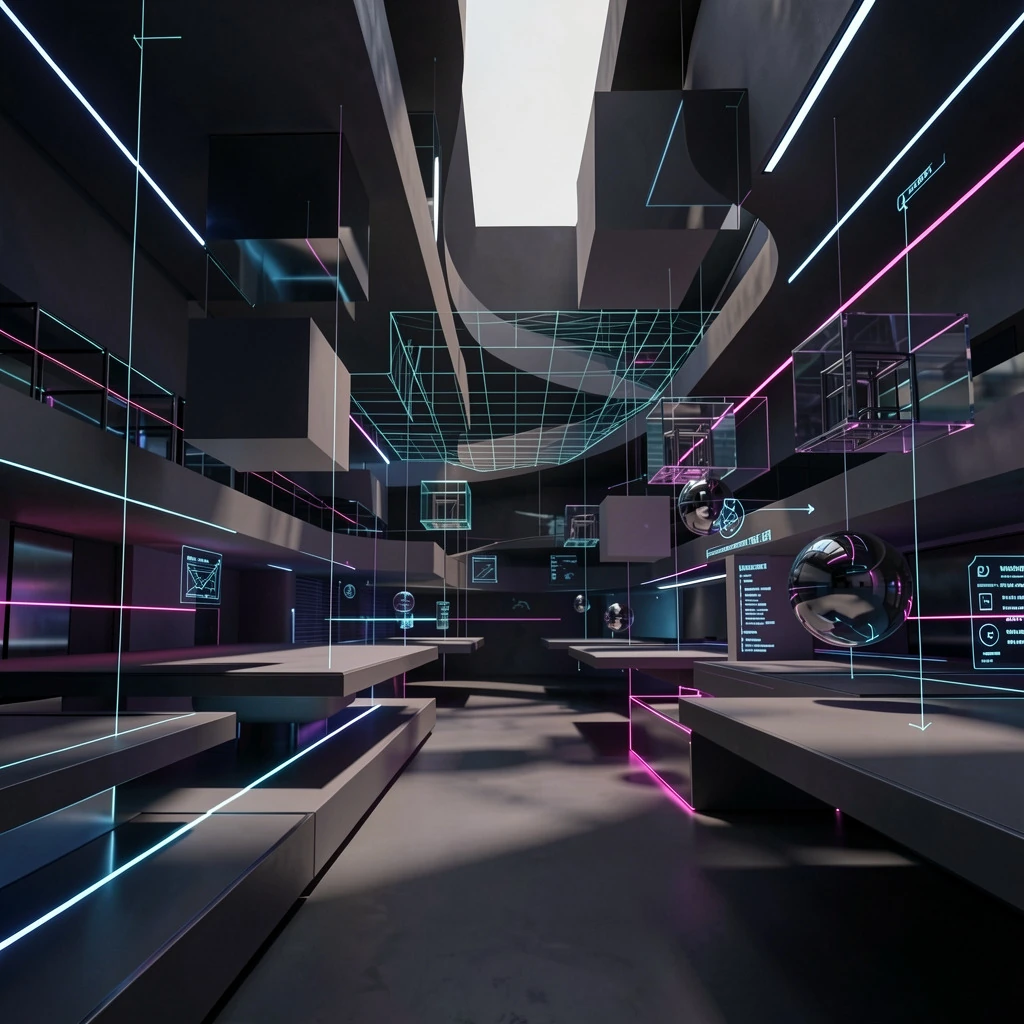
We create dimensional visuals that help brands, products, spaces, campaigns, and concepts feel more real, more premium, and easier to understand before they are built, photographed, or launched.
Fit
The right scope usually announces itself through friction. These are the kinds of moments where the work starts to create real leverage.
The product is not ready for photography, but the launch material needs to exist.
You need renders that feel premium rather than obviously synthetic.
A spatial concept needs to be shown before it is built.
Our approach
For 3d & spatial design, we work from the inside out: first the constraint, then the system, then the expression people actually experience.
Before we make anything, we find the decision that will make the most difference: perception, conversion, trust, operations, usability, or momentum.
Premium work is not decoration. It is hierarchy, rhythm, content, behaviour, motion, and constraints working together until the result feels obvious.
The handover matters. A good result should give you clearer assets, patterns, language, and next decisions, not a beautiful thing nobody can maintain.
Offering
We do not force every project into the same package. These are the pieces we can combine around the strongest outcome.
Premium still renders for products, spaces, campaigns, concepts, websites, presentations, and launch material.
Reveal sequences, product motion, spatial walkthroughs, transitions, campaign loops, and motion assets.
Material studies, product compositions, hero visuals, detail shots, and visual storytelling for products before photography.
Interior, event, installation, retail, exhibition, environmental, and concept space visualisation.
Web-ready assets, lightweight 3D experiences, product interactions, and immersive visual elements for digital platforms.
Camera language, lighting, materials, composition, mood, and the creative direction that makes the render feel intentional.
If 3D can make the idea easier to understand, sell, present, or experience, we can discuss what is worth creating and what is not.
Talk through the scopeProcess
Each service has its own rhythm, but the principle stays the same: define what matters, make it carefully, test it in context, and leave behind something usable.
We define the mood, references, realism level, brand context, camera language, final formats, and what the visuals need to communicate.
We create or prepare geometry, product forms, spatial layouts, environments, surfaces, and composition.
We refine lighting, texture, scale, detail, realism, and the premium feel of the visual language.
We produce stills, sequences, or web-ready assets with careful attention to polish, pacing, and final use.
We export the right formats for websites, campaigns, product pages, presentations, social, or further production.
Outcomes
The work should make the business easier to understand, easier to operate, and easier to move forward with confidence.
Ideas become easier to understand before anything is photographed, built, installed, or produced.
Products, spaces, and concepts gain a visual standard that feels more premium and deliberate.
Stakeholders can react to something tangible instead of interpreting rough descriptions.
Questions
Good projects begin with fewer unknowns. These answers give you a clearer sense of fit, scope, and how 3d & spatial design can move from conversation to useful work.
Start a project
Tell us what you are building, where it is at, and what kind of support would help move it forward.
Where we work
Other ways
The strongest projects often connect more than one layer. These are the adjacent services that can support the work without overcomplicating it.
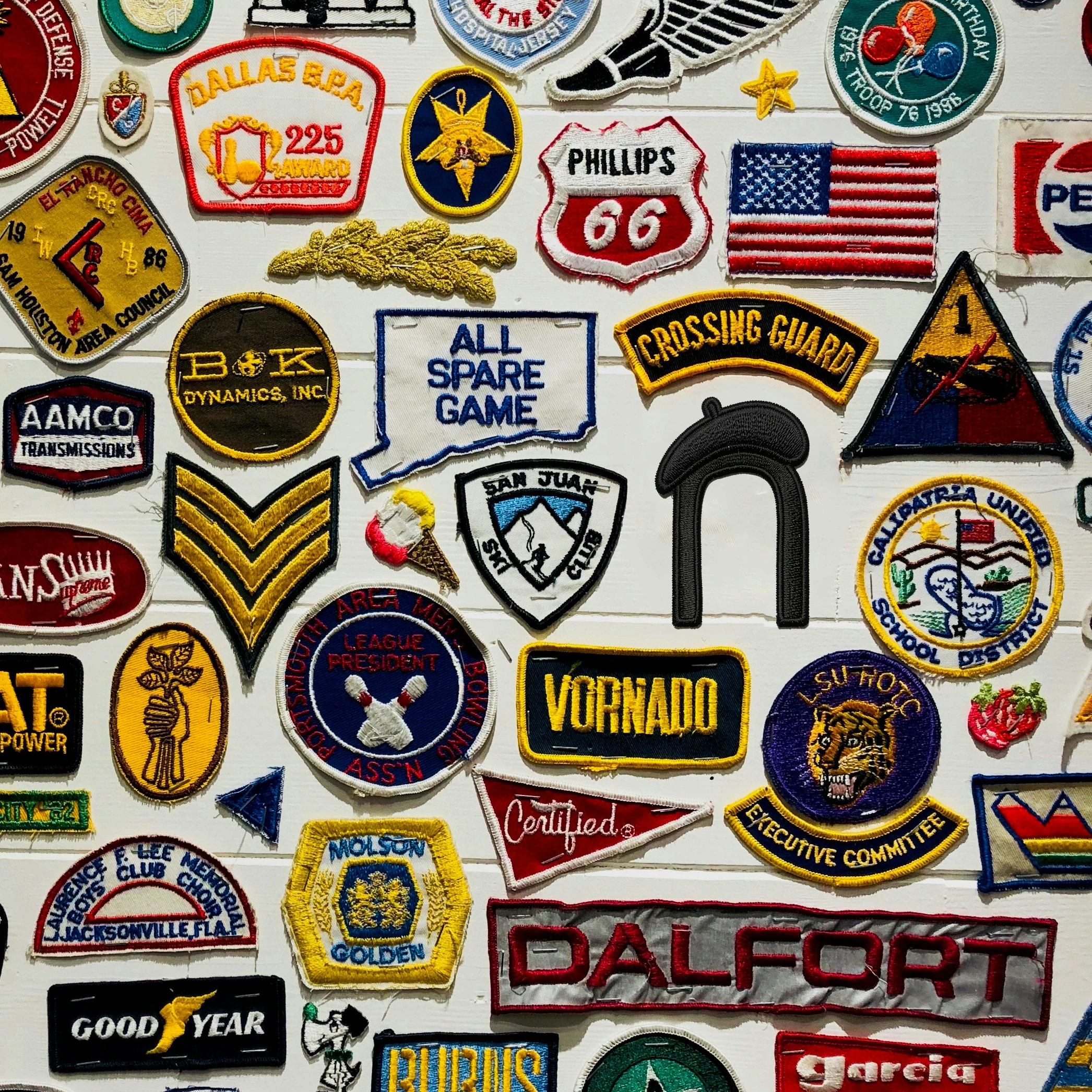
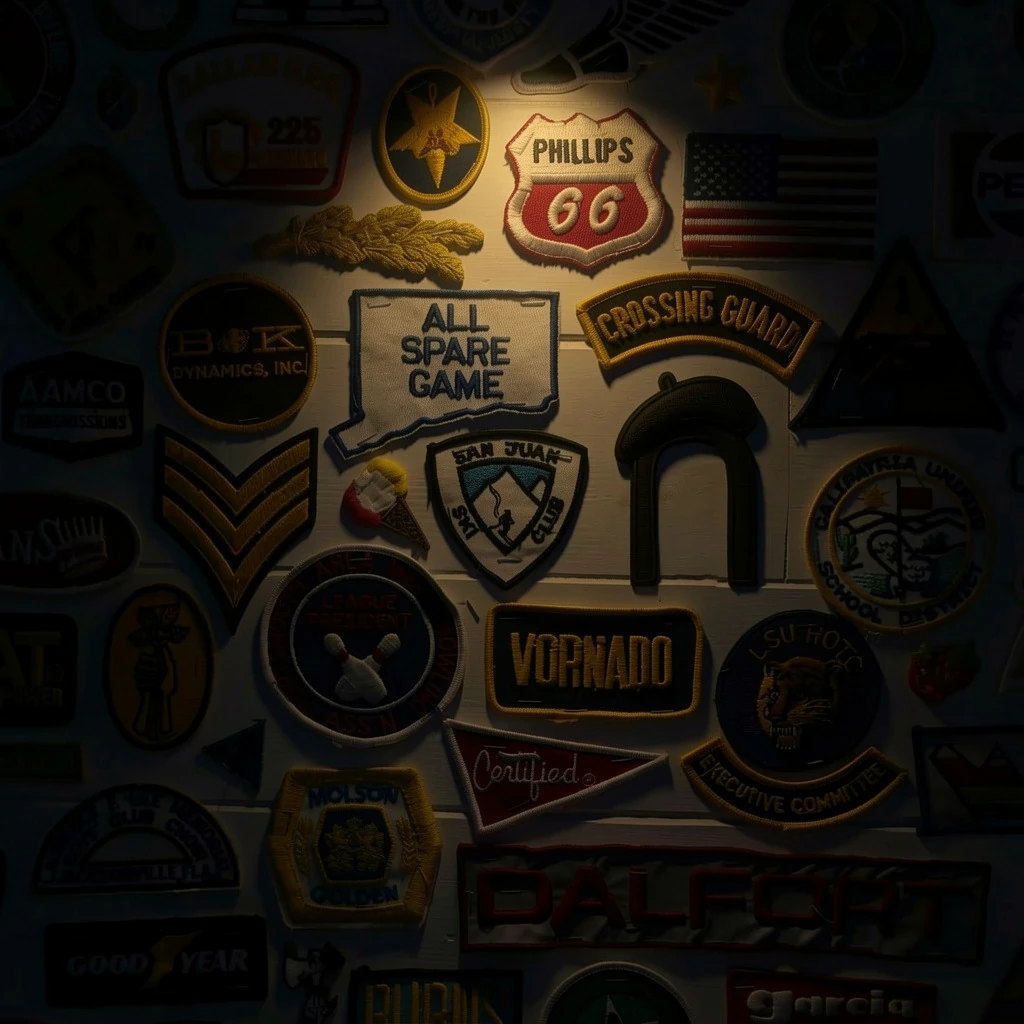
Brand systems, visual identity, and design language.
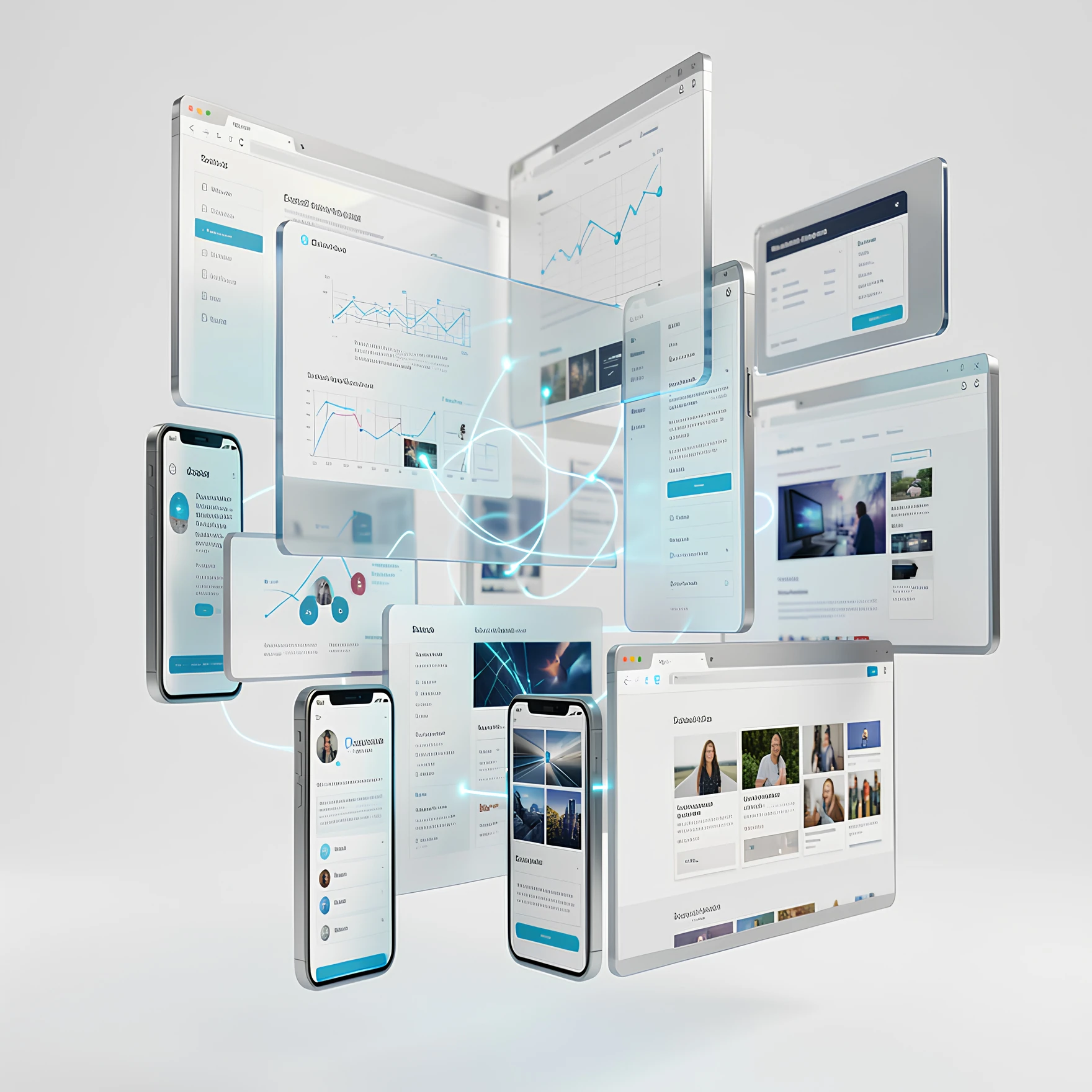
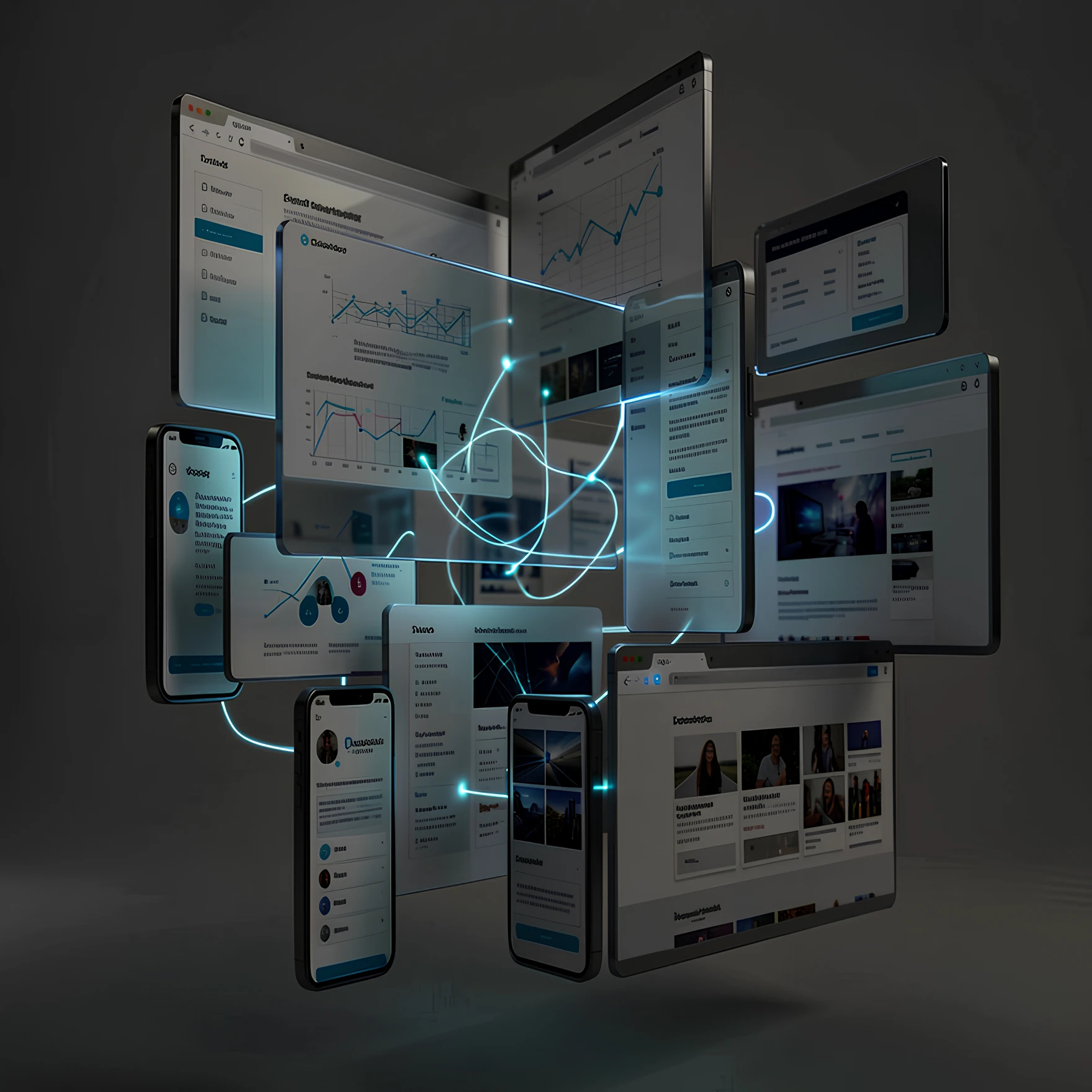
Websites, web apps, and interactive digital products.
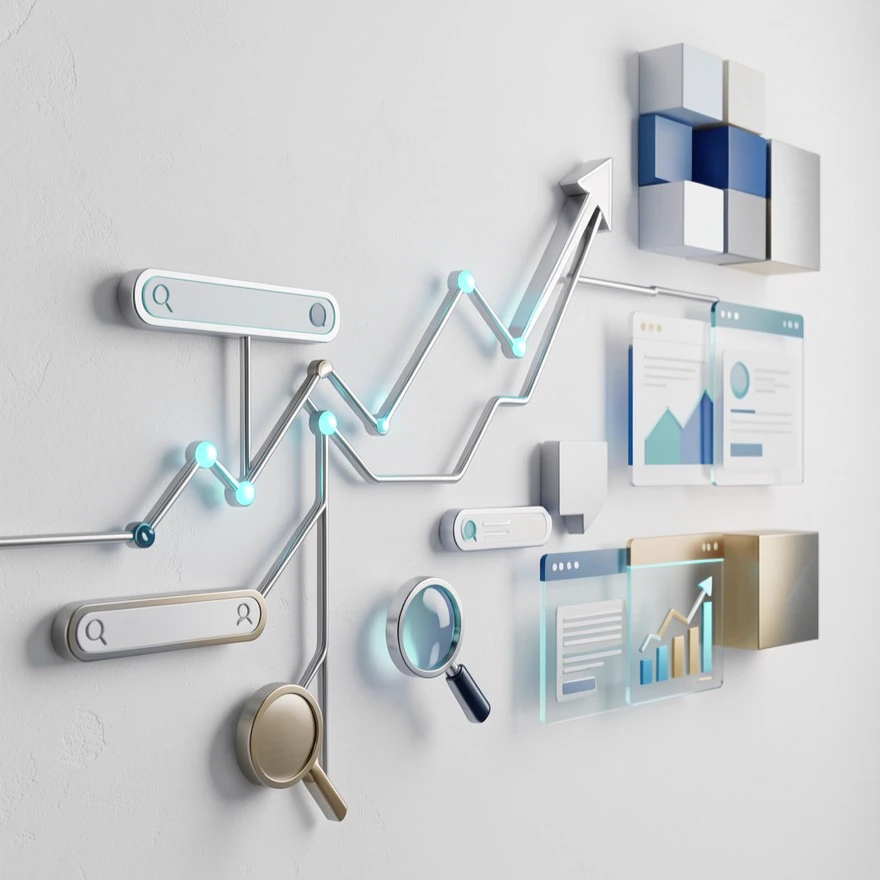

Search optimisation, analytics infrastructure, and content systems that drive traffic.
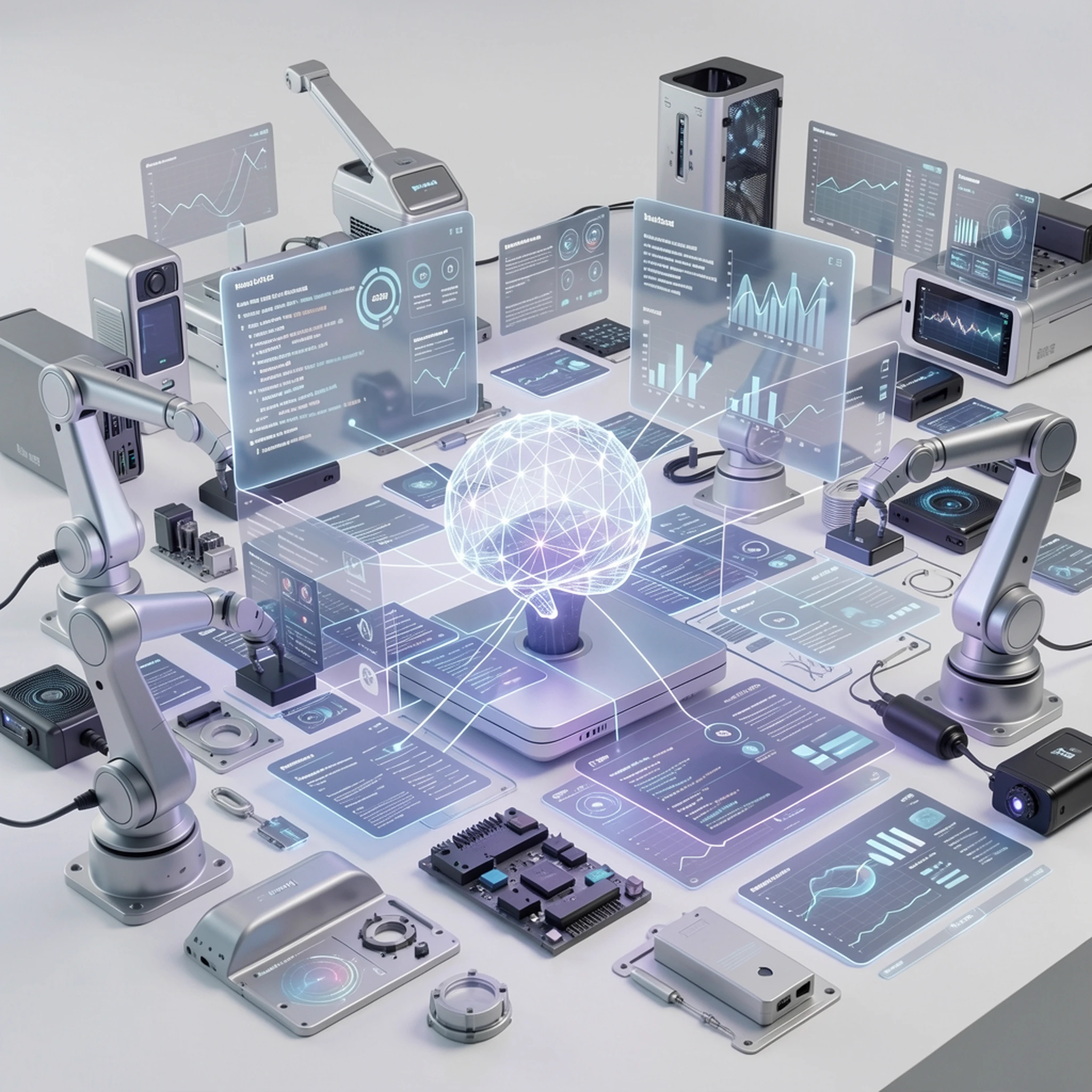
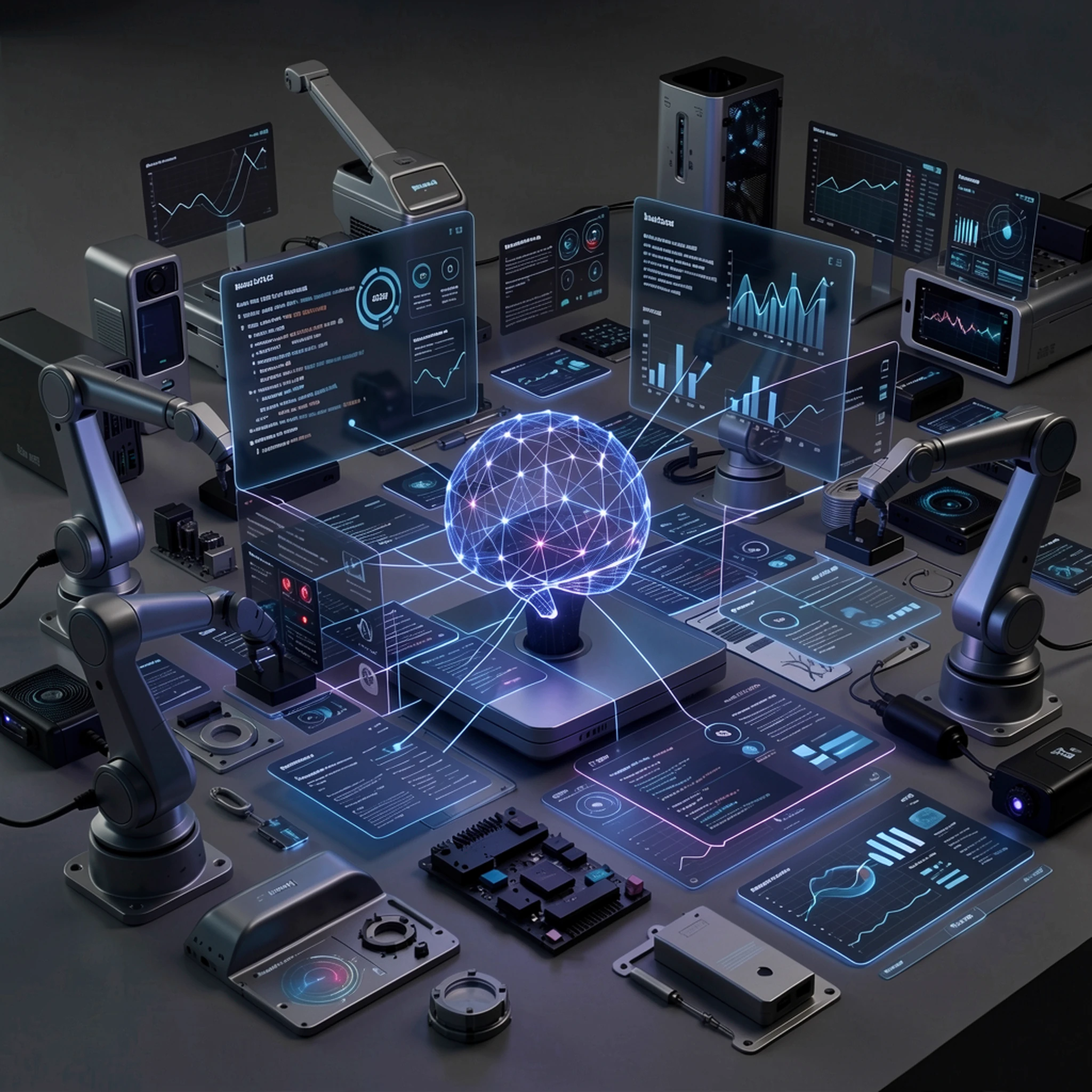
Workflow automation, AI integrations, and operational tooling.
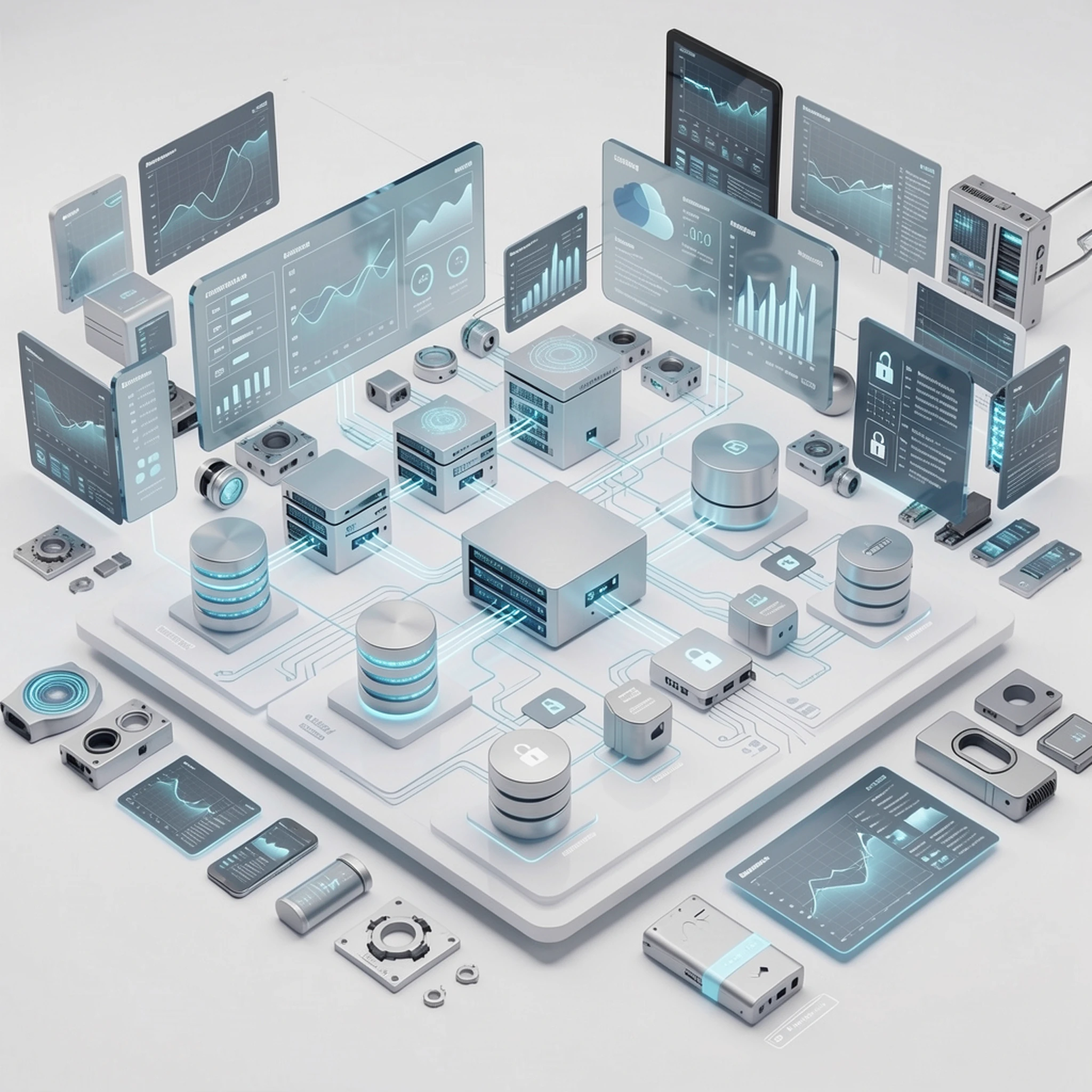
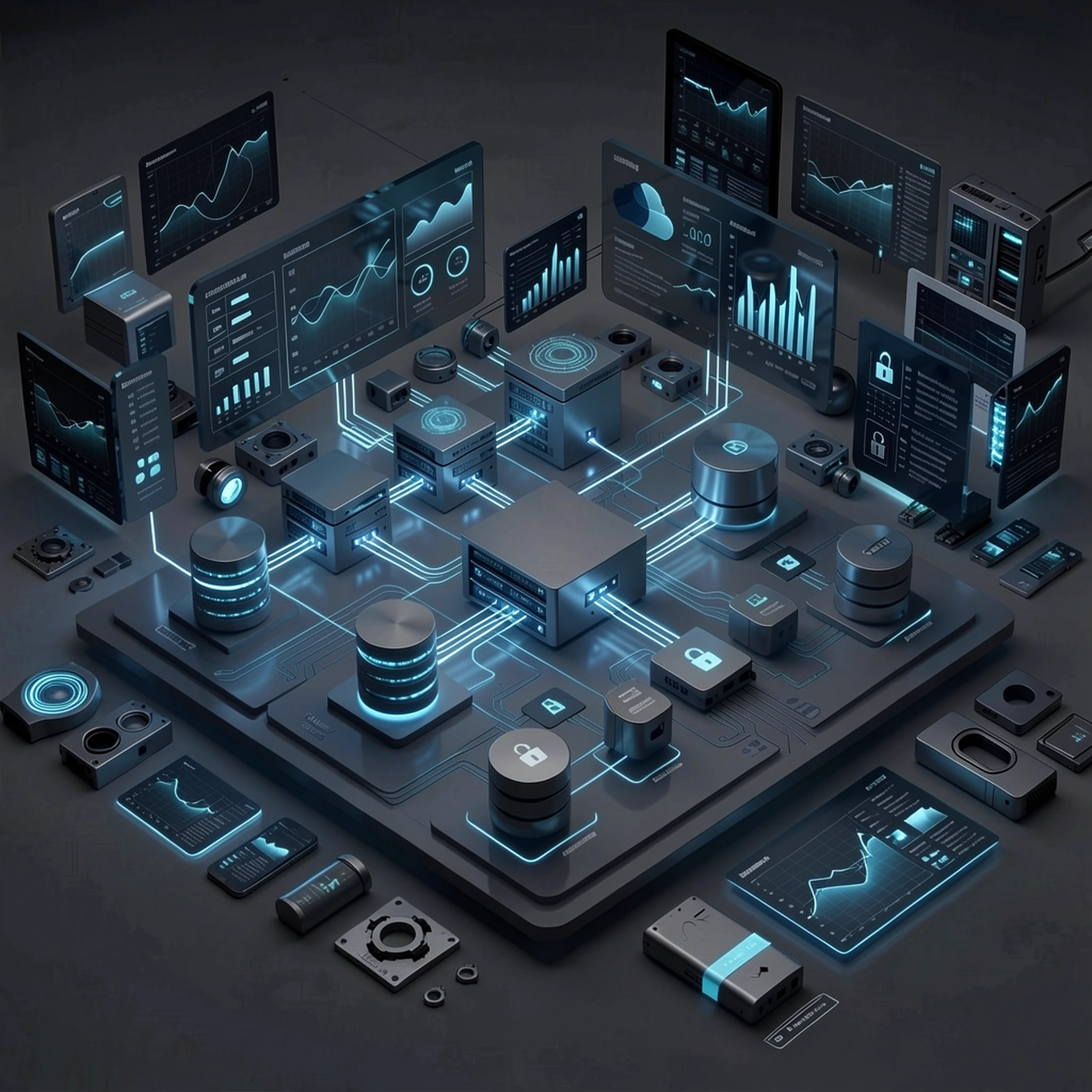
Internal systems, dashboards, APIs, and business process architecture.
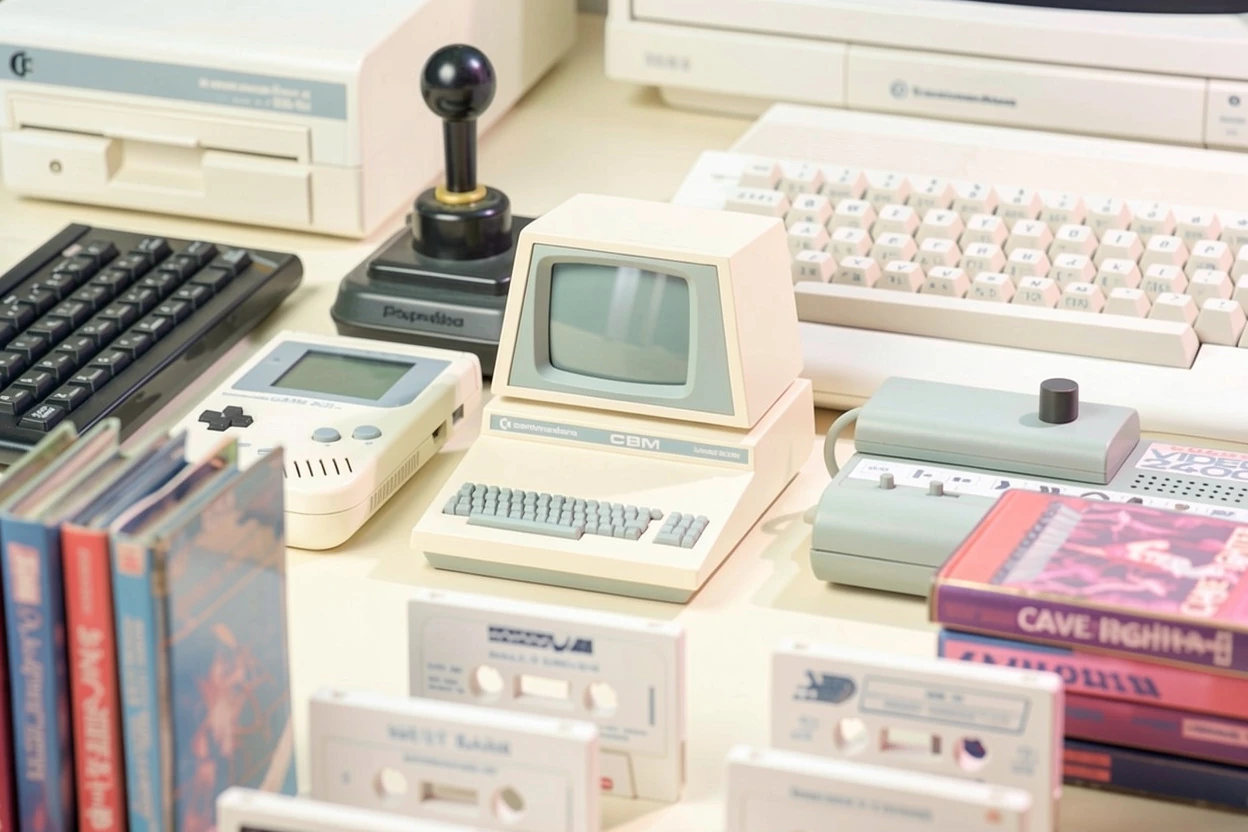
Concept development, rapid prototyping, and product validation.