01
Workflow automation
Automated handoffs, task creation, reminders, approvals, document handling, notifications, and repetitive process cleanup.

 Services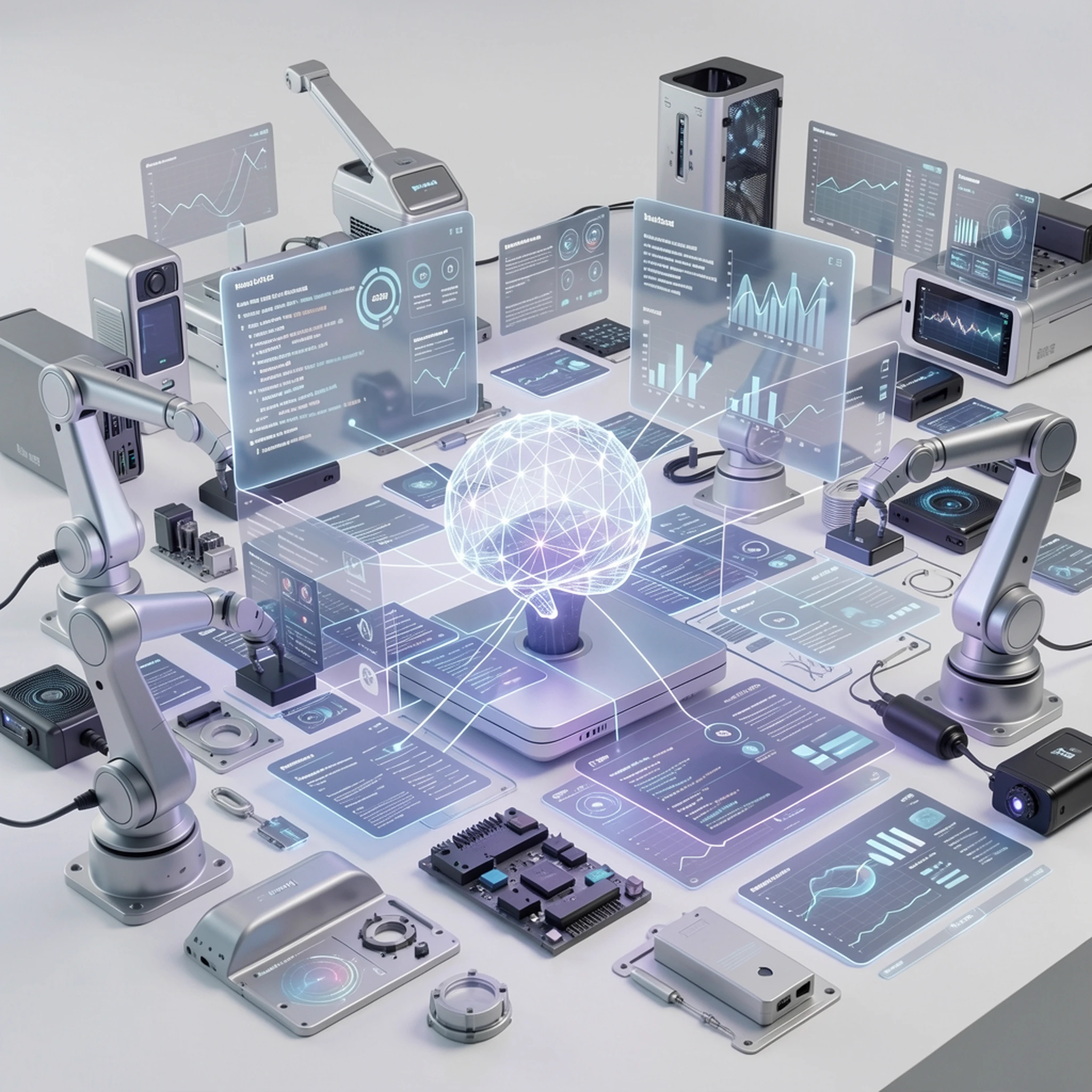
04 / Intelligent operations
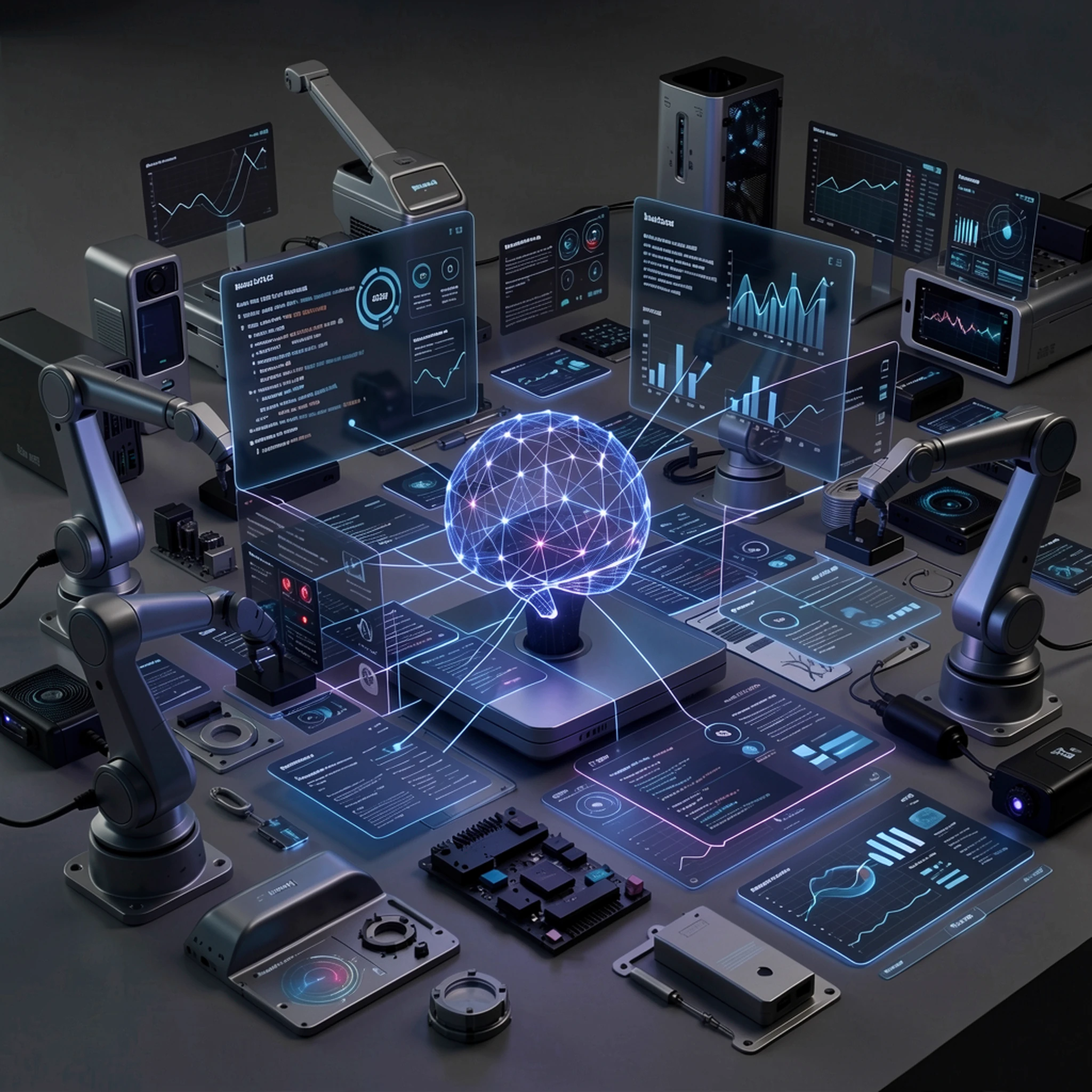
We design automation around real business workflows. The aim is to save time, reduce missed opportunities, improve consistency, and give teams better visibility without handing the business over to a black box.
Fit
The right scope usually announces itself through friction. These are the kinds of moments where the work starts to create real leverage.
Leads arrive from different places and follow-up is inconsistent.
Your team copies information between tools more often than they should.
Reports take hours to prepare and still do not tell the full story.
Our approach
For automation & ai systems, we work from the inside out: first the constraint, then the system, then the expression people actually experience.
Before we make anything, we find the decision that will make the most difference: perception, conversion, trust, operations, usability, or momentum.
Premium work is not decoration. It is hierarchy, rhythm, content, behaviour, motion, and constraints working together until the result feels obvious.
The handover matters. A good result should give you clearer assets, patterns, language, and next decisions, not a beautiful thing nobody can maintain.
Offering
We do not force every project into the same package. These are the pieces we can combine around the strongest outcome.
Automated handoffs, task creation, reminders, approvals, document handling, notifications, and repetitive process cleanup.
Internal helpers for summaries, classification, drafting, retrieval, intake, support, and knowledge-backed responses.
Customer-facing or internal chat experiences that route information, answer questions, and capture useful context.
Lead capture, enrichment, qualification, routing, pipeline updates, sales follow-up, and better handover between tools.
Dashboards, scheduled reports, data syncing, executive summaries, and operational visibility without manual assembly.
Automated file handling, attachment processing, naming, storage, review flows, and internal notifications.
If it saves time, reduces errors, improves follow-up, or gives the team clearer control, we can map it and decide together whether it is worth building.
Talk through the scopeProcess
Each service has its own rhythm, but the principle stays the same: define what matters, make it carefully, test it in context, and leave behind something usable.
We identify where time is lost, where errors happen, where follow-up fails, and where automation would genuinely improve the work.
We document triggers, tools, decisions, data, exceptions, permissions, and where a human should stay in control.
We build a focused version quickly so the workflow can be tested before expanding into a larger system.
We integrate forms, CRMs, APIs, email, databases, AI models, dashboards, storage, and notification layers.
We test edge cases, add guardrails, document the setup, and leave the system easier to understand and maintain.
Outcomes
The work should make the business easier to understand, easier to operate, and easier to move forward with confidence.
Repetitive work moves quietly in the background while people keep control of the important decisions.
Leads, tasks, reports, and handoffs are less likely to get missed or delayed.
AI starts supporting the workflow instead of becoming another tool people have to manage.
Questions
Good projects begin with fewer unknowns. These answers give you a clearer sense of fit, scope, and how automation & ai systems can move from conversation to useful work.
Start a project
Tell us what you are building, where it is at, and what kind of support would help move it forward.
Where we work
Other ways
The strongest projects often connect more than one layer. These are the adjacent services that can support the work without overcomplicating it.


Brand systems, visual identity, and design language.

Websites, web apps, and interactive digital products.


Search optimisation, analytics infrastructure, and content systems that drive traffic.


Internal systems, dashboards, APIs, and business process architecture.


Concept development, rapid prototyping, and product validation.

Dimensional design, modelling, and immersive visual assets.